FIFA

Field Sports Technologies professionally manages the mandatory FIFA laboratory testing processes that artificial turf manufacturers need in order to bring their products to the international market and become a preferred brand in projects.

FIFA


Accredited Laboratory Testing for the FIFA Quality Programme

Accredited Laboratory Testing for the FIFA Quality Programme

The first and most fundamental step for an artificial turf football field to obtain the prestigious FIFA certificate is that the artificial turf product used on that field is itself approved by FIFA.

Field Sports Technologies professionally manages the mandatory FIFA laboratory testing processes that artificial turf manufacturers need in order to bring their products to the international market and become a preferred brand in projects.

These tests scientifically verify that the artificial turf carpet, the infill materials and any shock pads meet all identification, durability, safety and performance criteria in FIFA’s detailed “Handbook of Test Methods“.
FIFA laboratory testing
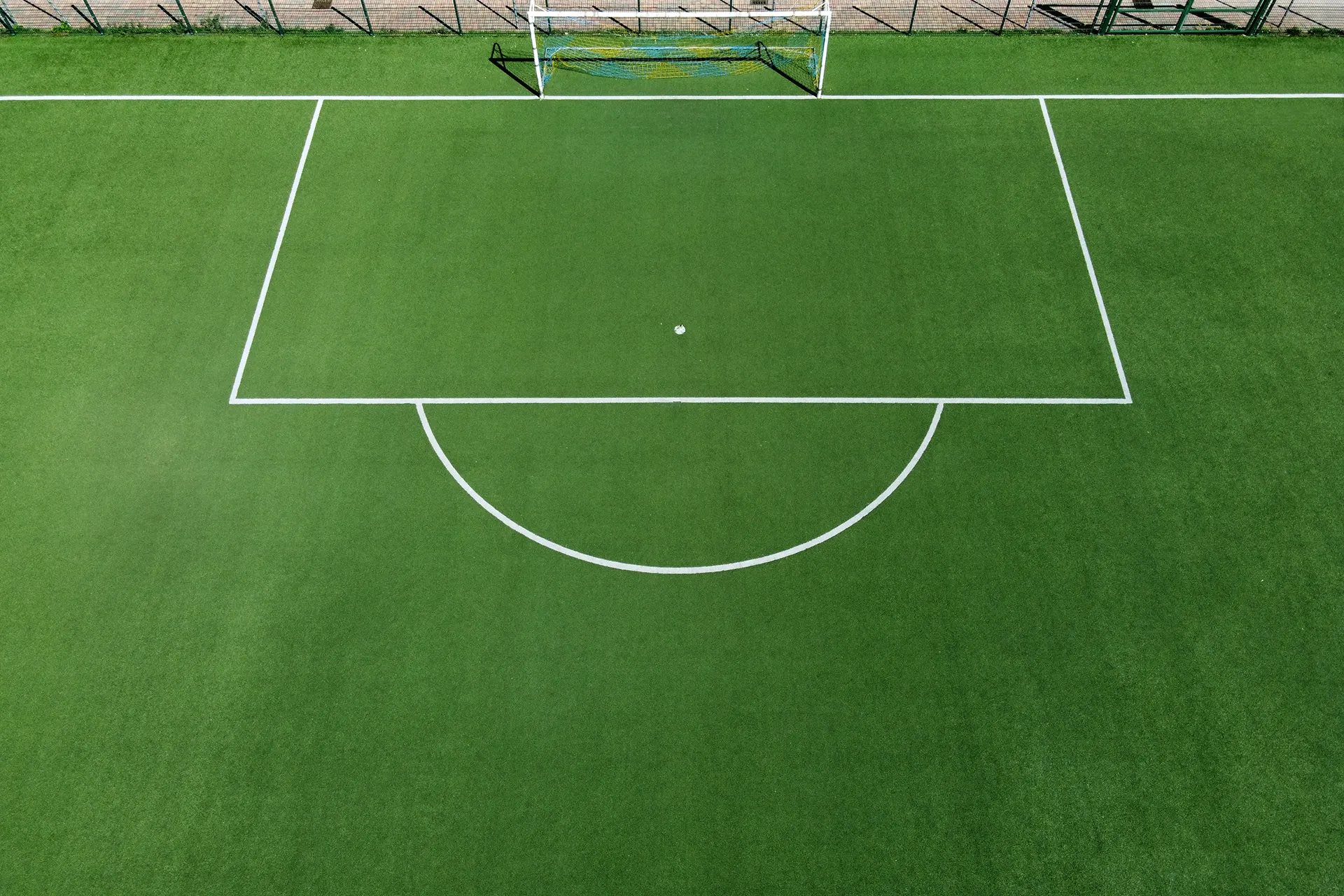
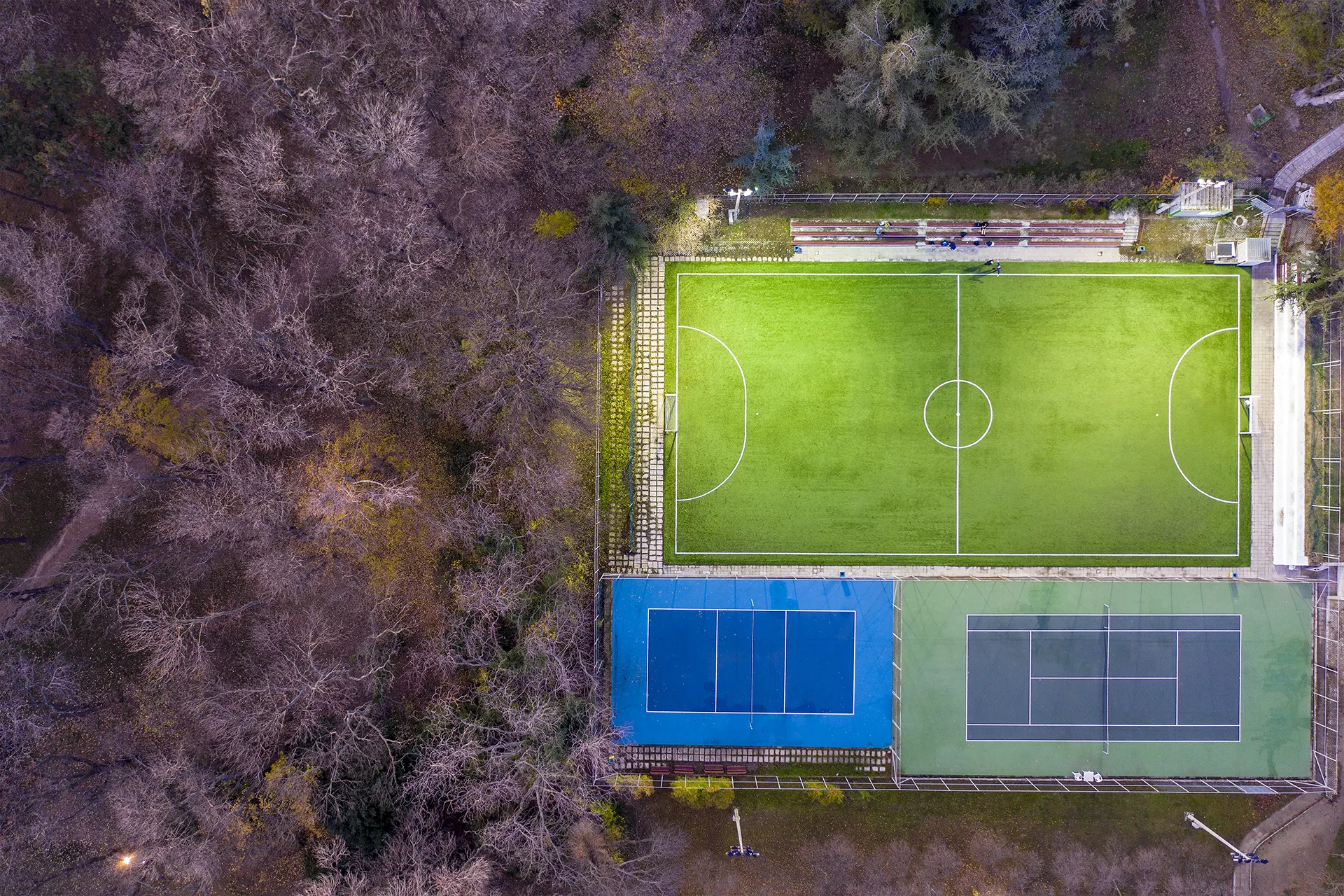
Football pitch
Football pitch

FIFA


The Role of Laboratory Testing in Product Approval and Field Certification

The Role of Laboratory Testing in Product Approval and Field Certification

FIFA’s Quality Programme consists of two main stages designed to deliver an excellent football experience, and laboratory testing forms the foundation of this process:

  • Product Approval: An artificial turf model becomes eligible for the FIFA field test by successfully passing a series of demanding laboratory tests.
    This is global proof that the product meets the essential quality and performance standards. For manufacturers, it works like a passport.
  • Field Certification: A field properly built with a product previously approved by FIFA also passes post-installation field tests and obtains a FIFA Quality or FIFA Quality Pro certificate.

In short, field certification is not possible without laboratory approval.
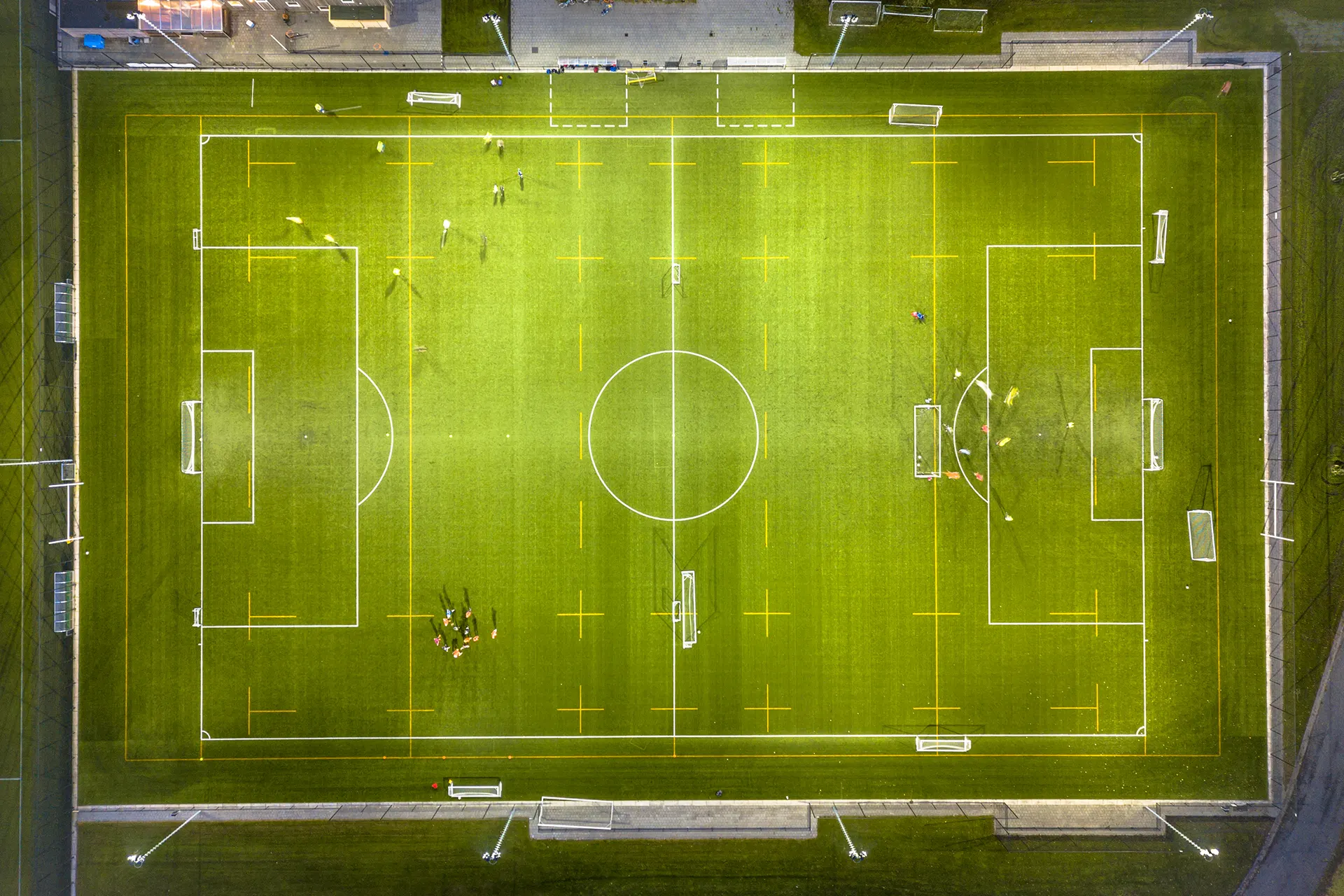
Football field inspection
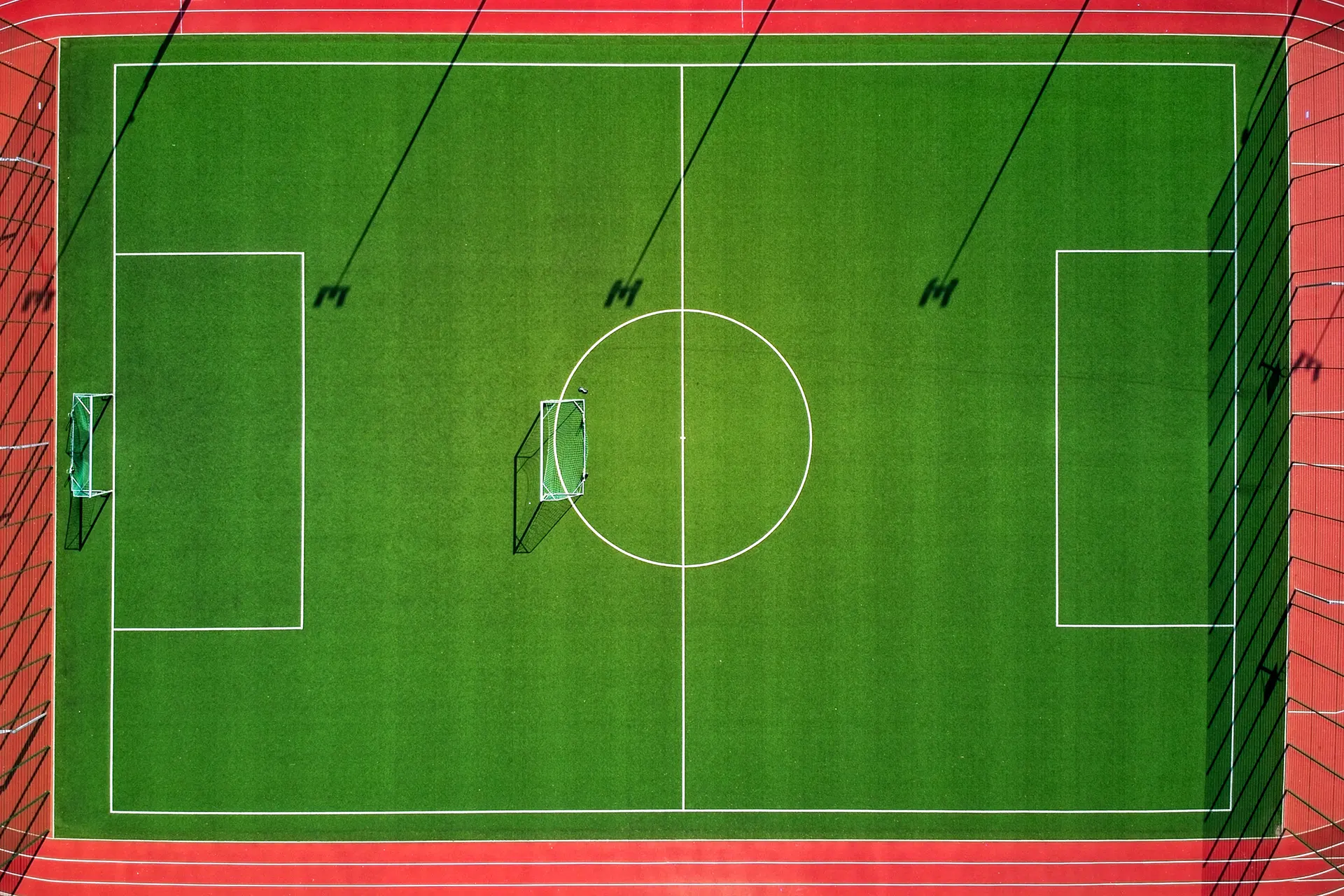
Artificial turf sports field
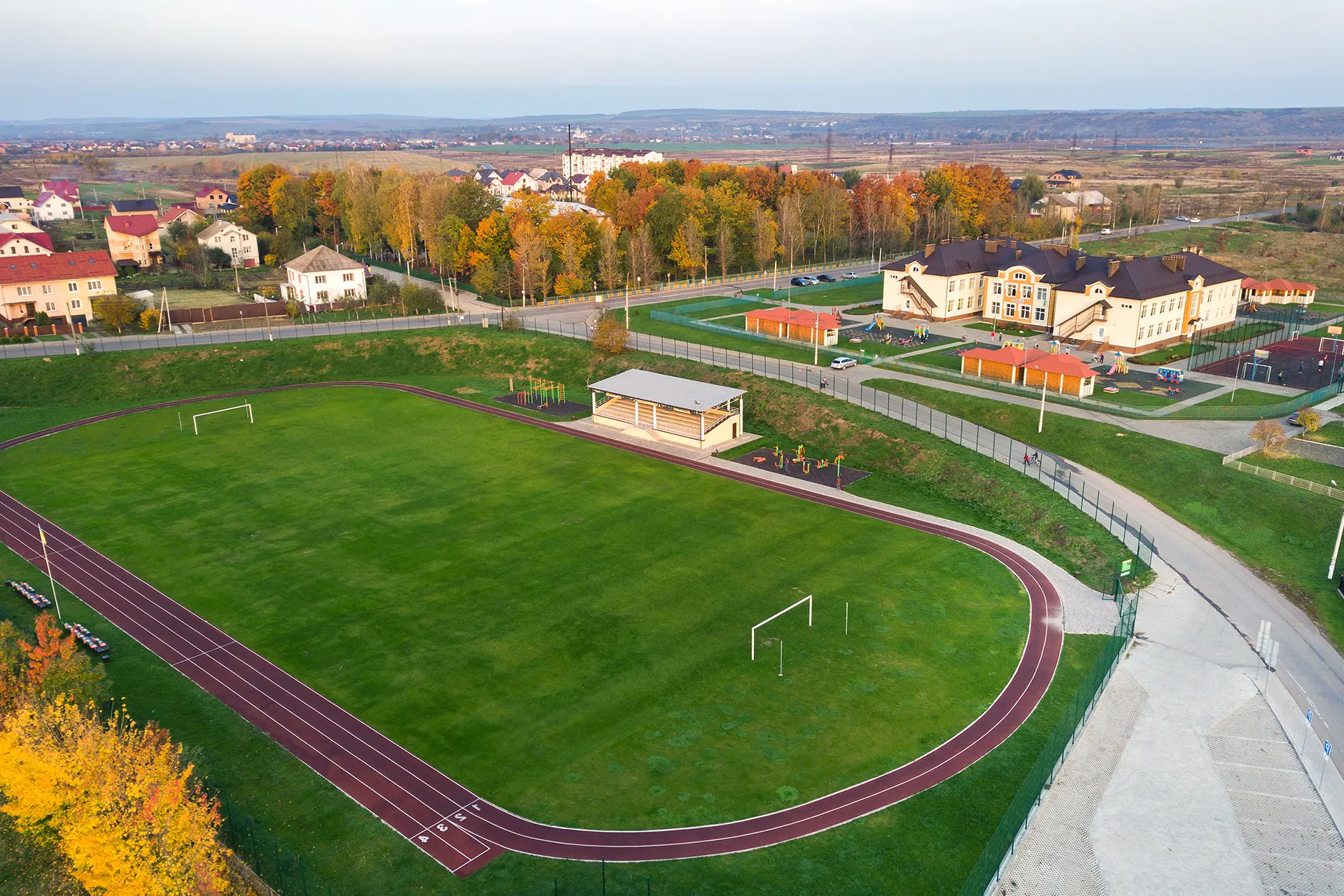
Aerial view of a stadium with a red athletics track

FIFA


Key Laboratory Tests Performed According to FIFA Standards

Key Laboratory Tests Performed According to FIFA Standards

Some of the tests performed in accredited laboratories to obtain FIFA approval for your product include:
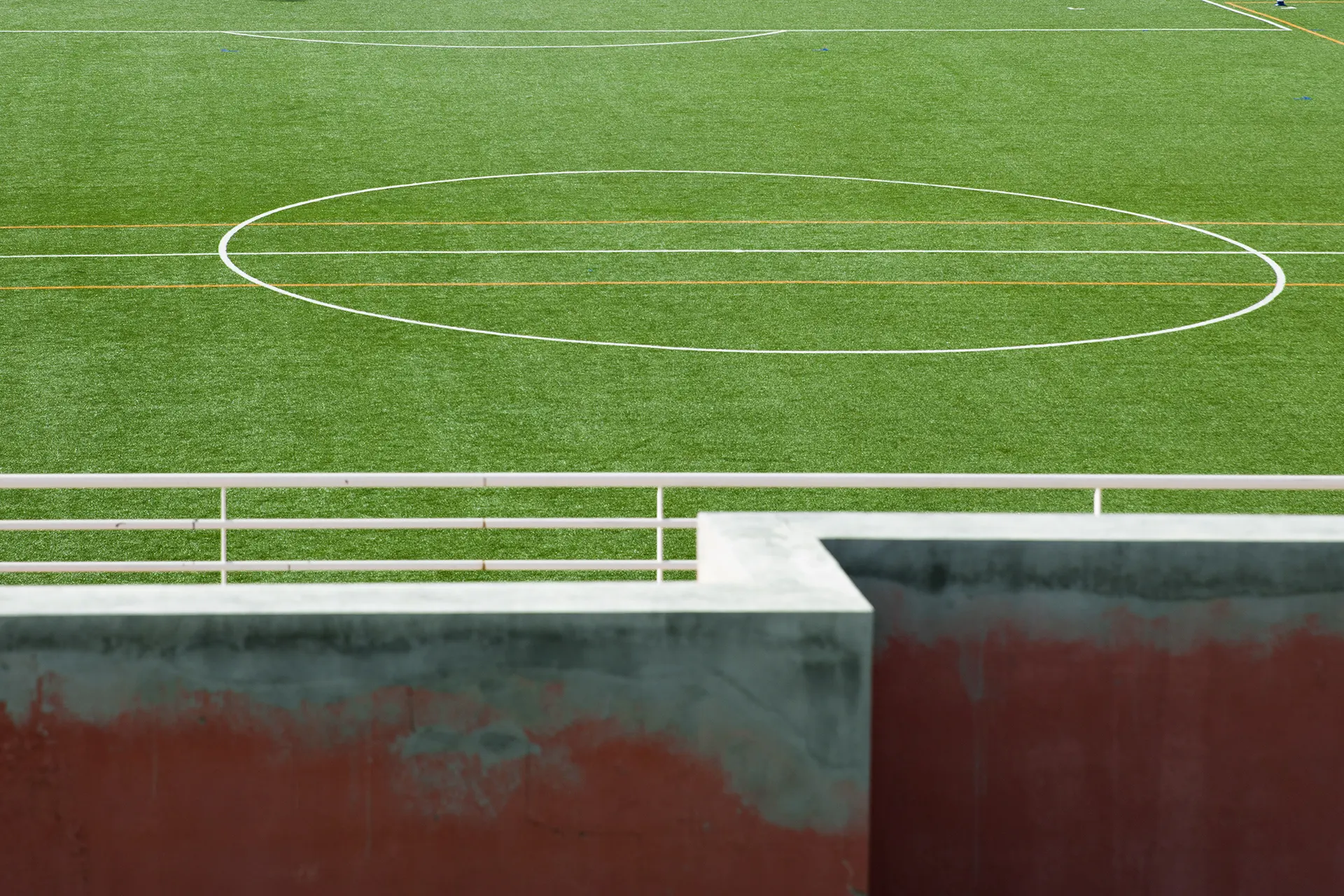
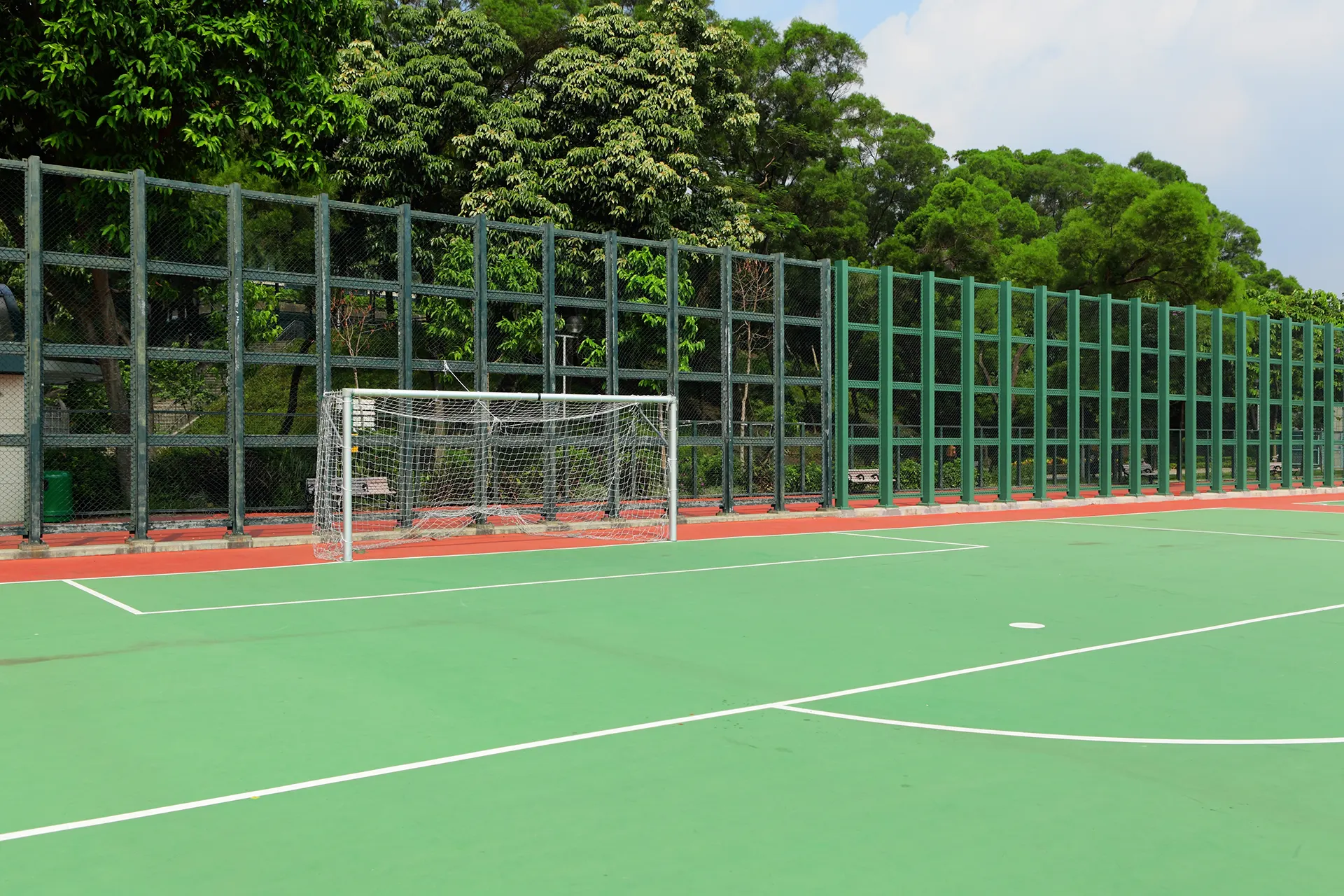
  • Product Identification: Carried out to ensure that the product delivered to site is the same as the tested sample. Identification data such as pile height, yarn weight (Dtex), tuft density, stitch count and structural properties of the carpet are tested.
  • Durability Tests:
  • Lisport XL Test: An artificial wear test performed with a specialized device that simulates long-term and intensive football use. After the test, the wear level of the yarns is measured.
  • UV Resistance: Measures the product’s resistance to colour fading and structural degradation caused by sunlight exposure.
  • Player-Surface Interaction Tests:
  • Shock Absorption and Vertical Deformation: The impact absorption properties of the product are tested at sample level.
  • Rotational Resistance: Measures the ideal level of friction that allows football boots to grip the surface neither too strongly nor too weakly.
  • Climatic Resistance: Tests the stability of the product’s performance under different temperature and humidity conditions.
Football stadium
Football pitch and goal
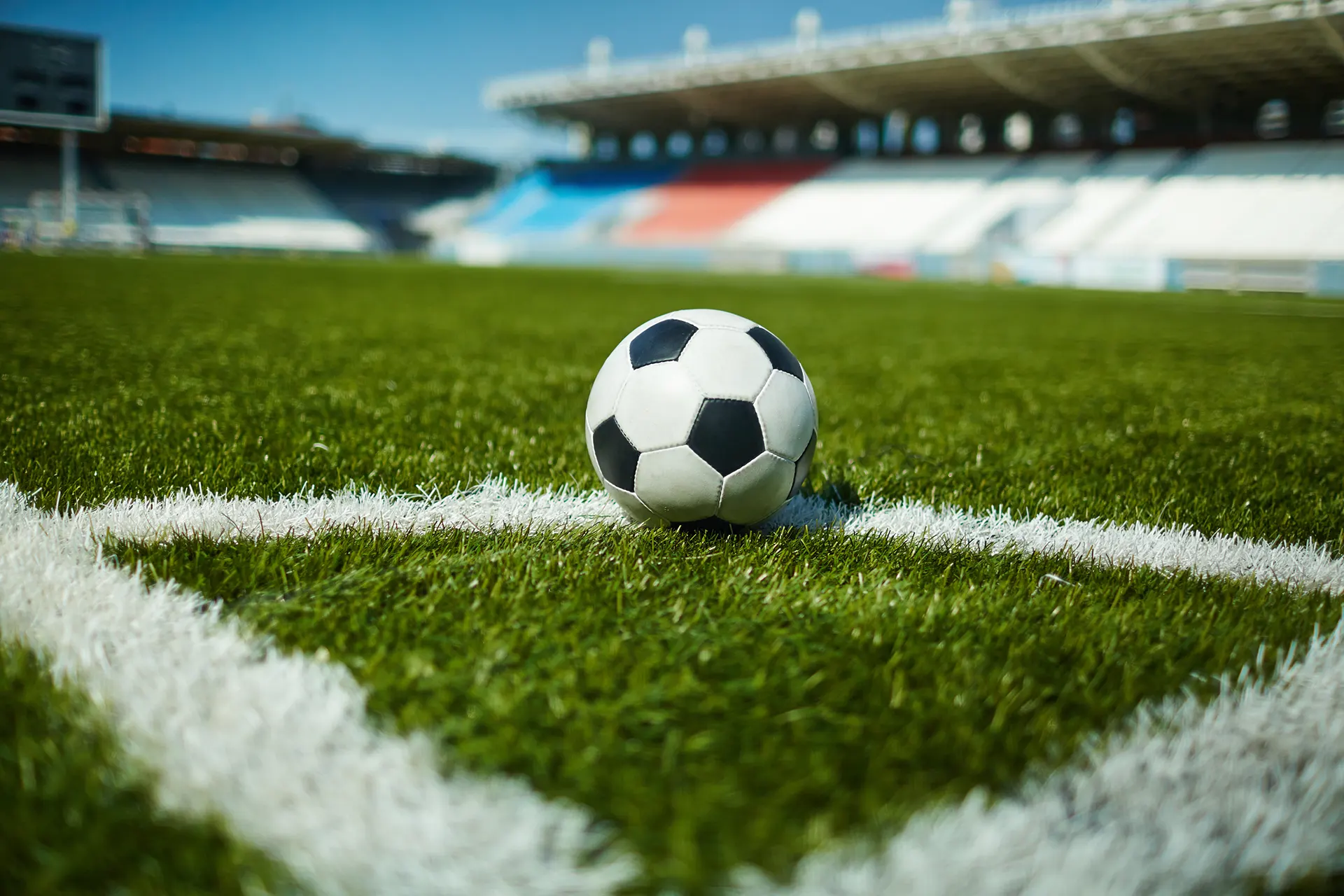
Football next to the corner flag

Frequently Asked Questions

Under the FIFA Quality Programme test manual, the product components are submitted by the manufacturer, which must be an existing or potential FIFA licensee.

No. According to FIFA, the laboratory test report is not a product certificate. A product that passes becomes eligible for the field test. The FIFA Quality or FIFA Quality Pro mark is awarded to the pitch once the football field inspection after installation is passed.

Product identification, simulated wear with Lisport XL, and colour and yarn strength checks after artificial weathering are carried out. Player-surface tests cover shock absorption, deformation, energy restitution, rotational resistance and critical fall height (HIC). Ball-surface tests cover vertical and angled ball rebound and ball roll.

FIFA’s April 2024 test manual introduced new-generation impact and rotational traction devices and made the HIC test part of the programme. Lisport XL abrasion cycles were doubled for FIFA Quality Pro products.

The product identity recorded in the laboratory is compared with the material identification carried out during the FIFA field test.

Field in Numbers


Why Choose Us?

Years of Experience
Countries
Cities
Projects

Would You Like to Request a Proposal?

Contact our experts to learn more about our FIFA laboratory testing services, include your artificial turf product in the FIFA Quality Programme, become a preferred brand in international projects and certify your quality in the global market.